Engineered FOR Resilience
A first-of-its-kind deep tech conference for ag robotics and the physical AI stack. For teams building rugged, field-ready systems that perform in real farm environments.
What is Ruggedize?
A NEW DEEP TECH CONFERENCE FOR AG
This a technical gathering focused on the hard problems: dust, heat, vibration, biological variability, and the relentless demand for shorter-term ROI.
KEY PARTNERS

CORE FOCUS AREas
ENGINEERED FOR THE REAL WORLD
Deep dives into the specific technical challenges of deploying physical AI in unstructured agriculture environments
Perception & sensing
Operation in dust, variable light , and biological noise that breaks conventional computer vision
Autonomous operations
Continuous in-field operation without human intervention across unpredictable terrain.
System integration
Hardware, Software, and firmware working as one cohesive platform in the field
Testing & validation
Simulation and validation methodologies tied directly to real-world field performance.
Reliability & engineering
failure modes, recovery protocols, and building systems that survive thousands of field hours.
ROI-driven design
serviceability, economics, and design decisions that make sense in real production environments.
CONFIRMED Speakers
ROBOTICS & PHYSICAL AI PRACTITIONERS
Industry leaders, engineers, and founders pushing the boundaries of robotics and physical AI.

Paige Bailey
AI Developer Relations Lead, Google DeepMind

Matthew Potter
Director, Engineering - Robotics & Mobility Technology, John Deere

Paul Mikesell
Founder & CEO, Carbon Robotics
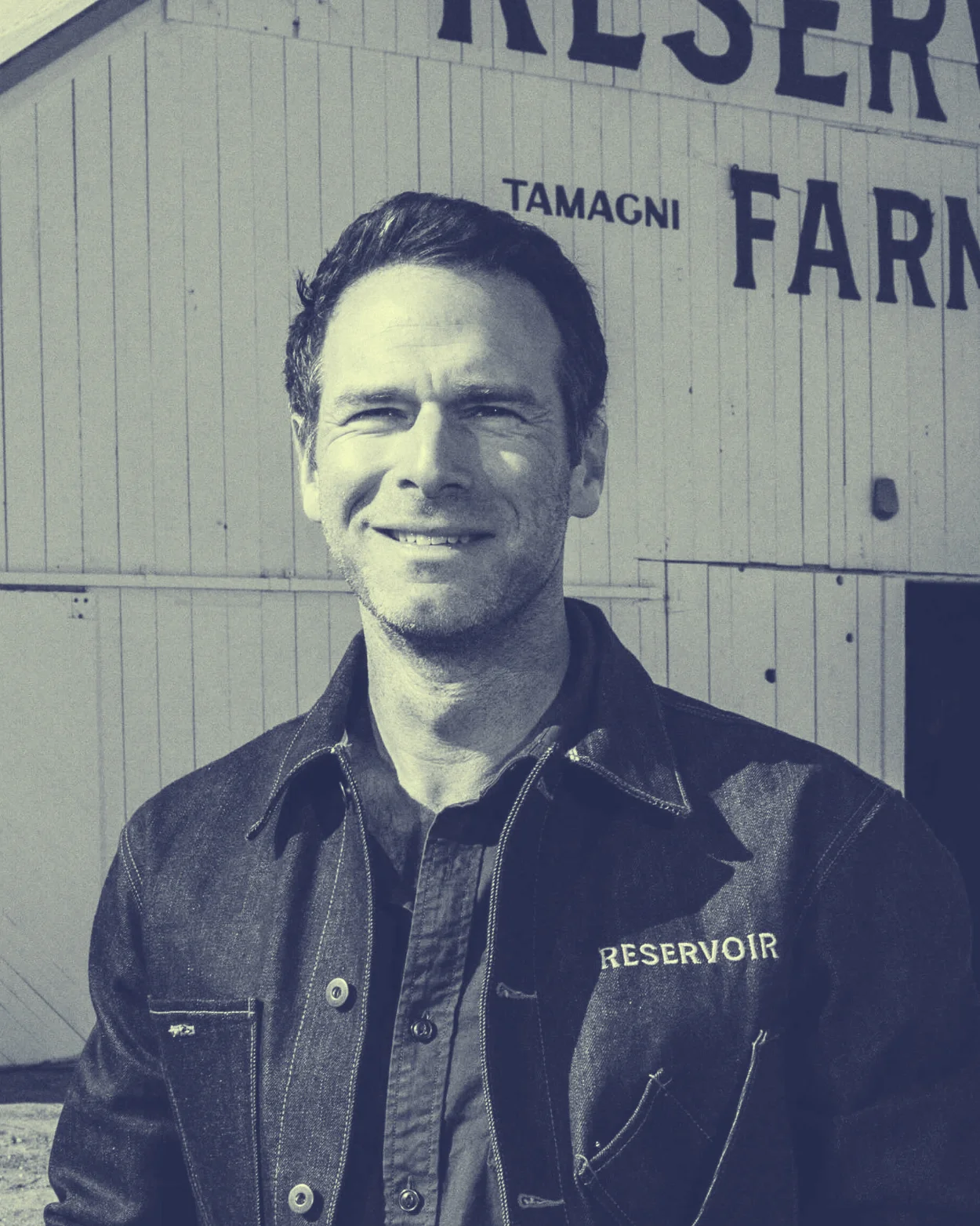
Danny Bernstein
CEO, Reservoir

Jorge Heraud
CEO, TerraBlaster
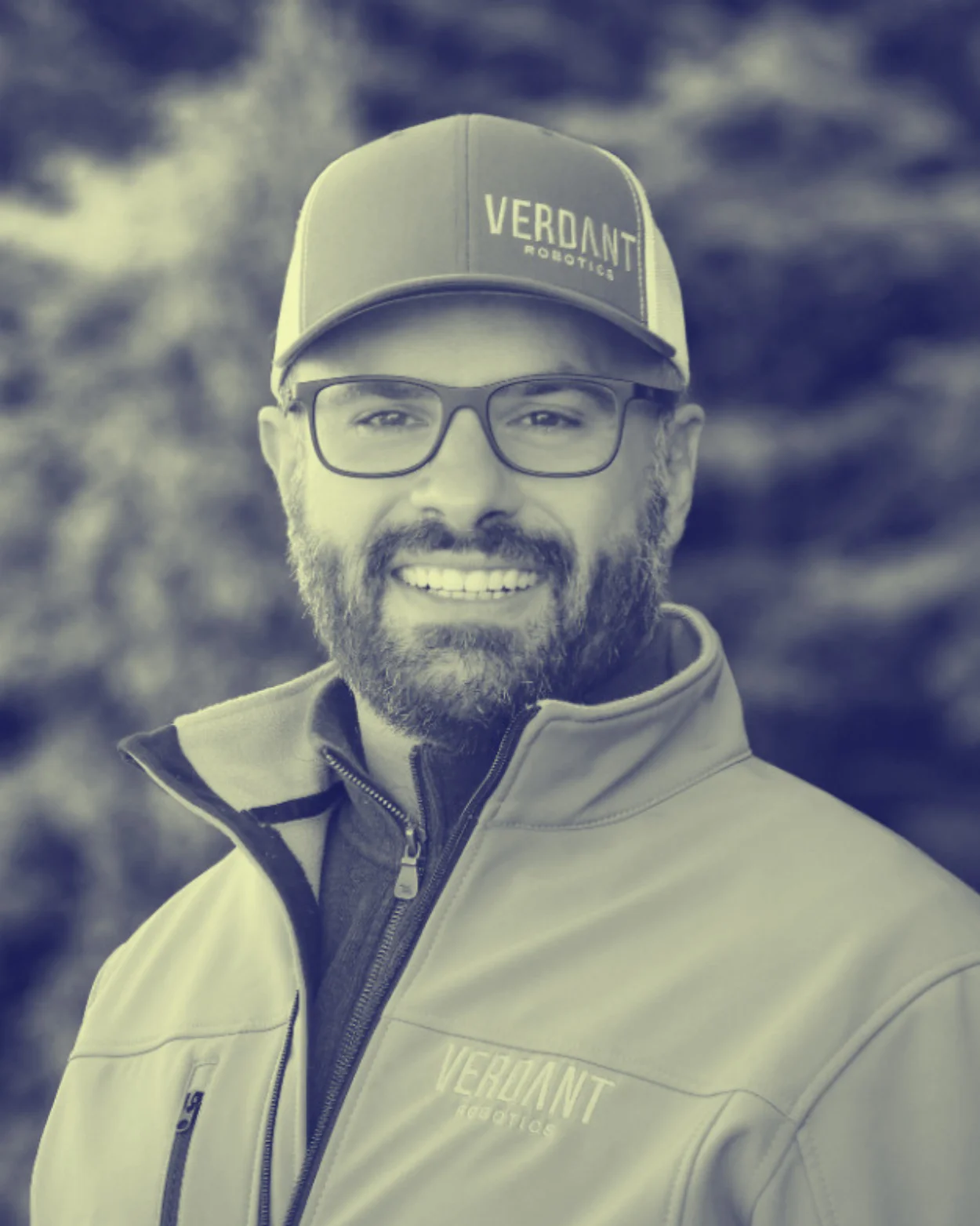
Gabe Sibley
Founder & CEO, Verdant Robotics
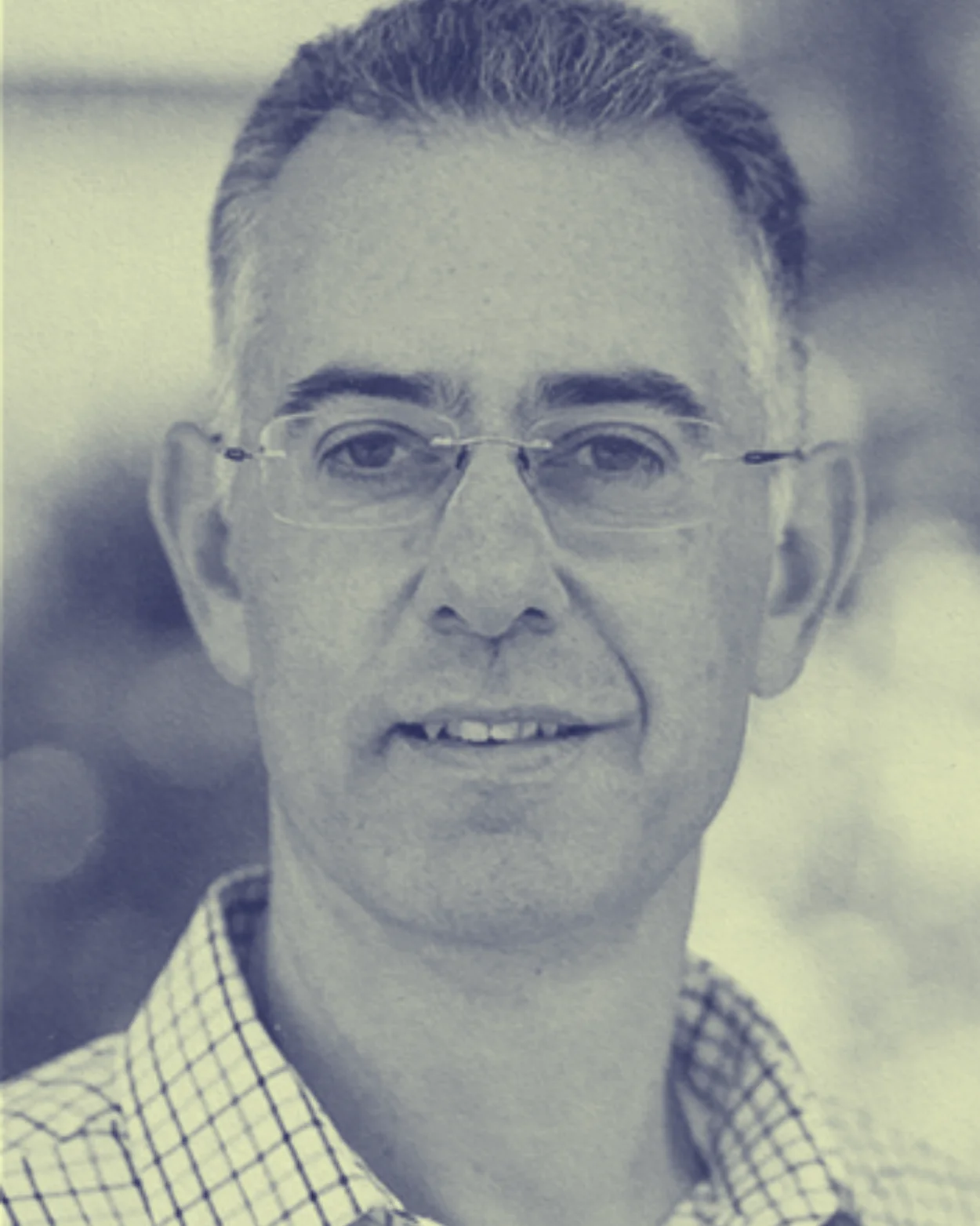
Dr. Stavros Vougioukas
Professor, PhD , UC Davis
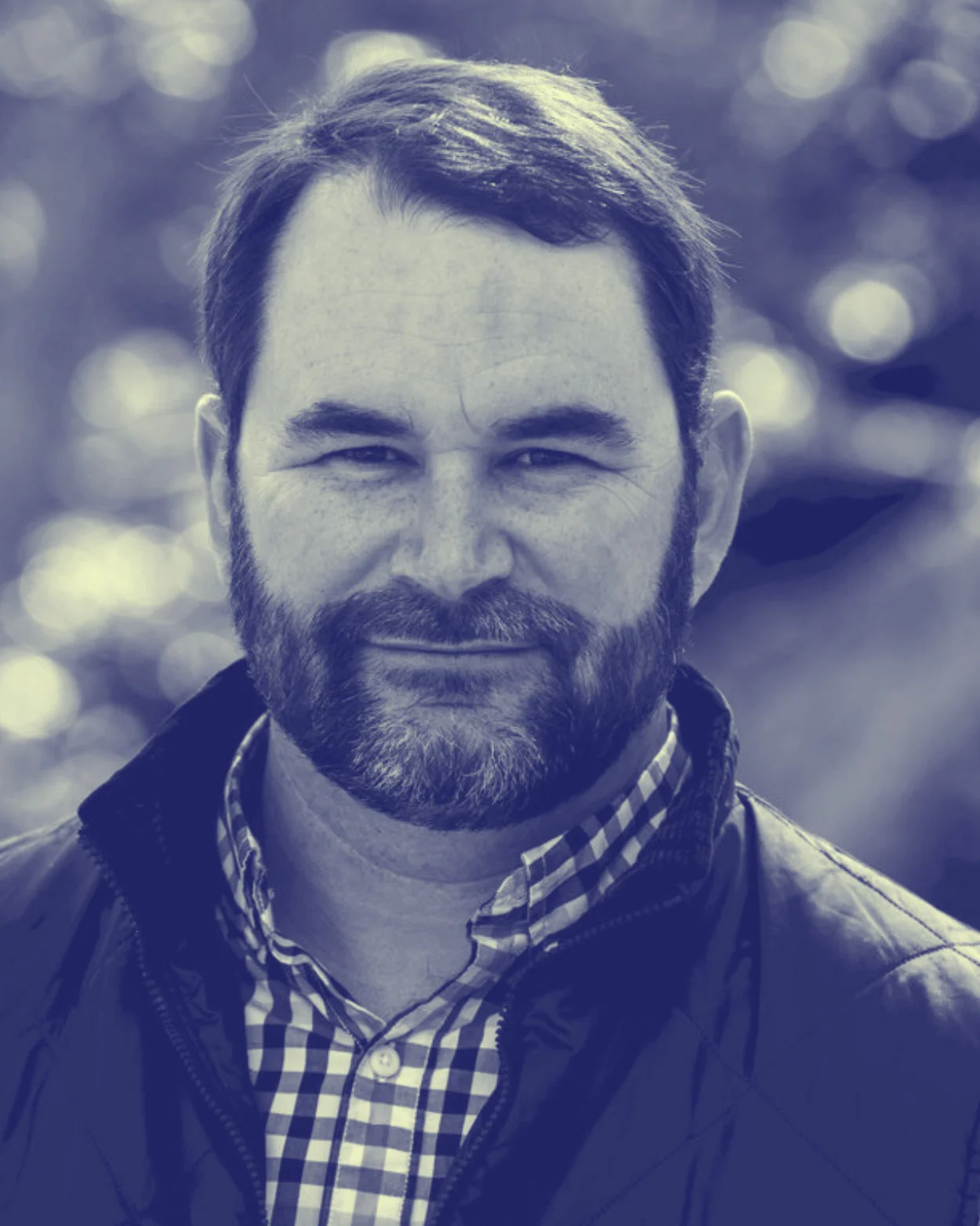
Ben Palone
Sr. Director of Automation & Commercialization, WGA

Tim Bucher
CEO, Agtonomy

Katherine Hecht
Forward Deployed Engineer, Google Cloud

Tyler Niday
Founder & CEO, Bonsai Robotics
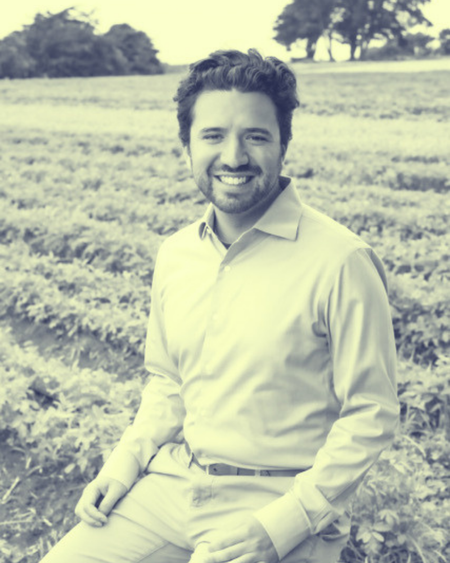
John Macdonald
Head of AI, Bonsai Robotics

Ali Murtaza
Smart Machines and IoT Lead, AWS
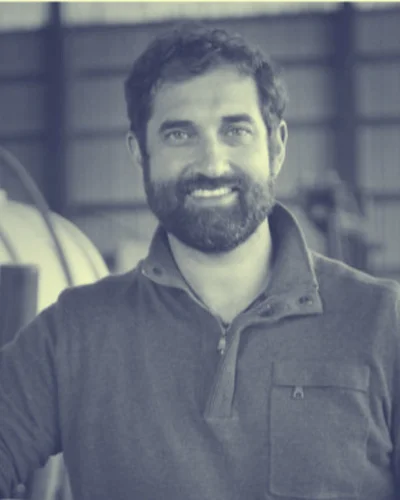
Matt Hoffman
Head of Farms, Reservoir

Steven Mirsky
Director of Digital Agriculture, USDA

Bill Turechek
Vice President of Research, California Strawberry Commission
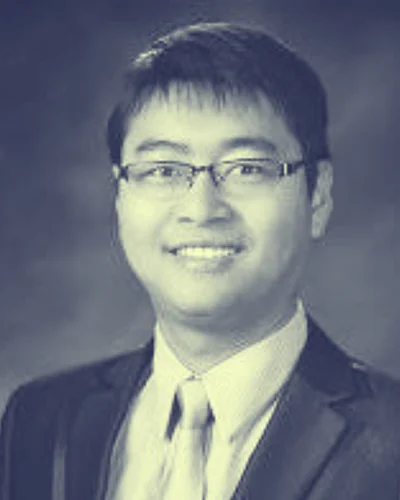
Dr. Bo Liu
Professor, Cal Poly
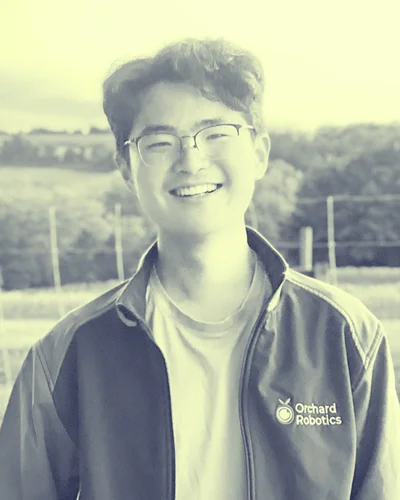
Charles Wu
Founder & CEO, Orchard AI

Colin Hurd
CEO, MACH

Les Karpas
Inception Global Head of Physical AI, NVIDIA
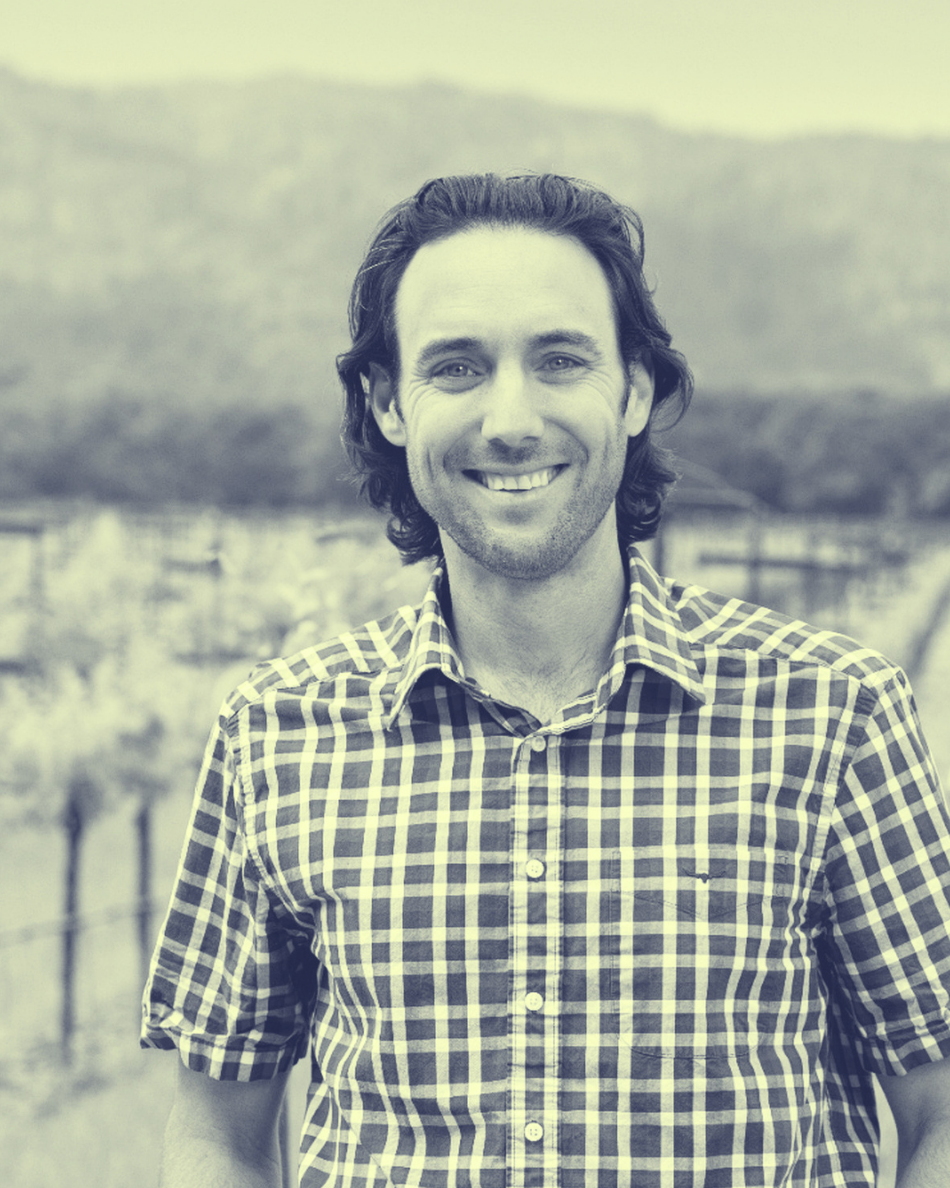
Nolan Paul
CEO, Yamaha Agriculture
AGENDA
DAY ONE
AUG 26th, 2026
Breakfast
8:00 – 9:00 AM
Keynote: Welcome
Danny Bernstein, Reservoir
9:00 – 9:30 AM
Opening
Deploying AI in Rugged, Disconnected Environments
Paige Bailey, Google Deepmind
9:30 – 10:15 AM
Deploying AI in rugged, disconnected environments
Deploying AI in rugged, disconnected environments presents unique challenges for robotics and real-time multimodal understanding. In this session, we will explore how Google DeepMind's tools can be leveraged in the field, featuring a live demonstration of the Pupper v3 robot integrated with Gemini APIs.
We will also dive into the practical tradeoffs of edge AI by showcasing quantized versions of Gemma 4, which enable robust, on-device multimodal understanding without the need for a Wi-Fi connection. Attendees will learn the practical steps for deploying these models outside of ideal lab conditions, ensuring reliable performance for agriculture, sensor data collection, and autonomous robotics.
The Hard Truth About Physical AI: What Agriculture Has Taught Us About Scaling Autonomy
Matthew Potter, John Deere
10:15 – 11:00 AM
The Hard Truth About Physical AI: What Agriculture Has Taught Us About Scaling Autonomy
Agriculture is one of the world's most demanding environments for autonomous systems. Dust, vibration, moisture, heat, power transients, inconsistent connectivity, changing terrain, biological variability, and narrow seasonal operating windows challenge every layer of a technology stack. This presentation shares lessons learned from deploying AI and autonomy across agricultural applications ranging from broad acre row crops to specialty crop environments.
Drawing on real-world experience developing precision agriculture systems, computer vision solutions, autonomous machines, and rugged edge computing platforms, we'll discuss what it takes to move beyond demonstrations and achieve reliable operation at scale. Topics include ruggedized AI compute platforms, precision positioning and localization, system-level reliability, testing strategies, and the importance of tightly integrating hardware, software, sensing, and operations.
Attendees will gain practical insights into the engineering decisions required to deploy physical AI systems in challenging environments and learn how lessons from agriculture can apply to robotics and autonomy more broadly.
Agriculture First: The Proving Ground for Physical AI
John Macdonald, Bonsai Robotics
11:00 – 11:45 AM
Agriculture First: The Proving Ground for Physical AI
Agriculture looks simple from the outside: open fields, slow speeds, predictable conditions. It isn't. Plants change season to season. Weather, dust, heat, and debris are constant. Terrain shifts across farms, geographies, and crop types. And seasonality creates real time pressure on every operation.
Whether the environment is an orchard, a construction site, or a mine, the core problems are the same: navigating without relying on GPS, identifying and responding to obstacles in real time, handling variable lighting and unstructured terrain, and generalizing without retraining from scratch.
In this session, we'll break down why agriculture is the right place to build physical AI first, and how that foundation can scale into other off-road industries.
Lunch Break
12:00 – 1:00 PM
the FBI & Agriculture
Ravi Sethi, FBI
1:00 – 1:45 PM
FBI & Agriculture
TBD
Case Study: Agtonomy
Tim Bucher, Agtonomy
Case Study: Agtonomy — No Room for Drift: Building Factory-Fit Physical AI for Rugged, Multi-OEM Autonomy
Deploying rugged AI in specialty crops leaves no room for perception drift, timing jitter in control loops, or flaky edge connectivity. In this technical case study, Agtonomy CEO and Co-Founder Tim Bucher details how the team and their OEM partners engineer a factory-fit physical AI stack with zero-shot deployment, including real-time perception and planning, drive-by-wire integration, and middleware that abstracts heterogeneous OEM platforms and implements.
Attendees will dive into how this stack orchestrates multi-implement autonomy, handles failure modes in harsh environments, and maintains deterministic behavior and observability at the edge.
Robots, Business Model, or VCs - which will kill you first?
Paul Mikesell, Carbon Robotics
2:30 – 3:15 PM
Robots, Business Model, or VCs - which will kill you first?
Building Rugged Autonomous Systems with Open Source
Katherine (Kat) Scott, Open Source
3:15 – 4:00 PM
Building Rugged Autonomous Systems with Open Source
At Open Robotics, we believe that relying on tested, interchangeable software components facilitates the building of rugged autonomous systems. Using trusted building blocks from the Robot Operating System (ROS), developers can piece together smart AI applications for unpredictable farming environments.
This session explores how open-source software accelerates and improves the reliability of robot development by leveraging standard data types, field-proven data transport libraries, and shared data collection tools.
We'll also explore how recent additions to the ROS project, such as abstract zero-copy data buffers and ROS Bag utilities, can help move your data from the field to model training and back to deployed hardware.
Rugged AI at USDA
Steven Mirsky, USDA
Rugged AI adoption in Agriculture
This presentation will highlight USDA's investment in digital infrastructure to accelerate innovation across agricultural research and commercial technologies while delivering practical value to farmers and ranchers. The USDA Digital Agricultural Systems Hub (DASH) has developed an end-to-end AI pipeline—from the National Plant Agricultural Image Repository (AgIR), one of the nation's largest open collections of high-resolution, annotated agricultural plant imagery, to the deployment of computer vision models on the low-cost, modular, open ModCam platform.
The presentation will conclude with practical lessons learned from hardening these technologies for real-world deployment, including the engineering and operational challenges of delivering robust AI across diverse agricultural environments to support more scalable, reliable decision-making in the field.
Happy Hour
Dave Holodiloff Trio
5:00 – 7:00 PM
DAY TWO
AUG 27th, 2026
Breakfast
8:00 – 9:00 AM
Case Study: Orchard Robotics
Charlie Wu, Orchard Robotics
9:00 – 9:30 AM
Case Study: Orchard Robotics
NVIDIA Processing Software Systems in Rugged Environments
Les Karpas, NVIDIA
9:30 – 10:15 AM
NVIDIA Processing software systems in rugged environments | Overview of Cosmos and Metropolis and it's applicability to Ag
The future of farming can't wait for the next growing season. This talk explores how NVIDIA's full Physical AI stack, from Cosmos, Omniverse and Isaac Sim to DGX/HGX, Jetson and IGX, helps agricultural innovators break through the industry's biggest bottleneck: scarce, seasonal and highly variable real-world data.
See how simulation, synthetic data and rugged edge AI can accelerate the development of smarter machines built to perceive, reason and act in one of the world's most unpredictable environments: the field.
Building Physical AI on Google Cloud with Bonsai Robotics
Katherine Hecht, Google Cloud
& Tyler Niday, Bonsai Robotics
10:15 – 11:00 AM
Building Physical AI on Google Cloud with Bonsai.
No description provided.
Panel: Scaling Ag Robotics – From Prototype to Commercial Reality
Nolan Paul (YAMAHA), Ben Andros (Andros Engineering), Frank Faulring (Faulring Mechanical Devices)
11:00 – 11:45 AM
Industrializing Ag Robotics: The Next Decade of Autonomous Agriculture
The agricultural robotics industry has spent the last decade proving that autonomy is possible. From perception and navigation to machine learning and precision operations, innovators have demonstrated that autonomous systems can successfully operate in some of agriculture's most challenging environments. The next decade will be defined by a different challenge: industrializing autonomy.
The question is no longer whether autonomous systems can work. The question is whether they can be delivered, supported, and trusted at scale. This panel will explore what it takes to move from successful prototypes and pilot deployments to reliable, scalable, and commercially sustainable products. Panelists will discuss the realities of building businesses capable of deploying hundreds or thousands of autonomous systems while maintaining quality, reliability, safety, customer satisfaction, and healthy economics.
The discussion will also examine an important distinction within the industry. While "ag robotics" is often discussed as a single category, the challenges of scaling robotic implements can differ significantly from those of scaling autonomous mobility platforms. Neither is better than the other, but they represent different technical, operational, safety, and commercial problems to solve.
As the industry matures, success will increasingly depend not only on technical innovation, but also on operational excellence, product quality, customer support, safety standards, distribution strategy, and sustainable business models.
This session will bring together perspectives from startups, OEMs, investors, and growers, with a particular focus on what startups and OEMs must build in order to move from technical validation to durable commercial scale.
Lunch Break
12:00 – 1:00 PM
Case Study: Verdant Robotics
Gabe Sibley, Verdant Robotics
1:00 – 1:45 PM
Case Study: Verdant Robotics / Developing innovative robotic solutions to enhance agricultural productivity and sustainability
Drawing on multiple seasons of building and shipping AI-powered machines, Gabe Sibley walks through what it actually takes to close the loop from sensing to action in a real field, with real crops, under real conditions. The talk centers on Verdant Roboticsâ„¢ and its SharpShooterâ„¢ system, which uses Aim & Applyâ„¢ technology to see, decide, and apply at the individual plant level in real time, and why that precision requires hardware and software co-designed from the start.
Gabe covers the architectural decisions that make physical AI work in agriculture: edge decision authority, hardware and software co-designed for worst-case field conditions from day one, confidence-gated execution, and human override as a built-in requirement rather than a fallback.
Attendees leave with a clear framework for what separates field-ready AI from open-loop tools that generate data but stop short of creating value.
Case Study: Terrablaster
Jorge Heraud, TerraBlaster

1:45 – 2:30 PM
Case Study: Terrablaster / The Diverging Paths of Product Development
The Diverging Paths of Product Development
Building Ag Robots that Interact with Crops at High Throughput
Dr. Stavros Vougioukas, UC Davis
2:30 – 3:15 PM
Building Ag Robots that Interact with Crops at High Throughput
AWS Connectivity for Hardware and Software in Remote Fields
Ali Murtaza, Amazon Web Services

3:15 – 4:00 PM
AWS Connectivity for Hardware and Software in remote fields.
As the Smart Machines and IoT Go To Market leader for North America at AWS, his primary focus is partnering with companies and solution providers to accelerate the deployment of Smart Machines and Physical AI solutions using the combined portfolio of AWS and partner services. His goal is to connect industrial assets to the AWS Edge and Cloud to collect physical intelligence and enable insights that drive real-world business outcomes such as operational efficiency, quality inspection automation, downtime reduction and sustainability.
The solutions we can help deliver range from initial real-time visualization to AI-driven task automation to fully autonomous machines across auto & manufacturing, energy and utilities, agriculture, construction and mining.
Case Study: MACH
Colin Hurd, MACH

4:00 – 4:45 PM
Case Study: Mach — Mach Agriculture: Precision Automation for Modern Farming
Networking Break
Panel: What’s Next for Rugged AI in Agriculture
5:15 – 6:00 PM
What is next for Rugged AI in agriculture
Rugged AI in Agriculture: What's Next. As artificial intelligence moves from pilot projects to real fields, the question isn't whether AI can work in agriculture—it's whether it can survive there. Dust, heat, unreliable connectivity, and the unforgiving economics of specialty crops demand AI systems that are as rugged as the environments they're built for.
This panel brings together perspectives from technology validation, grower-facing research, and enterprise AI scaling to explore what "rugged AI" really means in practice: how emerging technologies get tested and proven in the field, what growers actually need to trust and adopt automation, and how AI platforms move beyond pilots into systems that drive real P&L results. Panelists will discuss the practical barriers to AI adoption on the farm, what separates promising prototypes from market-ready solutions, and where the industry is headed as automation and AI become core infrastructure for specialty crop agriculture.
Panelists:
- Moderator Dan Kurdys (9 North Group)
- Ben Palone (Western Growers Innovation Team)
- Dr. William Turechek (California Strawberry Commission)
- Frank Faulring (Faulring Mechanical Devices, Inc)
- Matt Hoffman (Reservoir)
- Dr. Bo Liu (Cal Poly)
Closer
Danny Bernstein, Reservoir
6:00 – 6:15 PM
Closer
Discover the Future of Rugged Physical AI
The booths are now closed.
GENERAL
Who it’s for:
- Engineers at Startups
- Technical Founders
- Academia & Researchers
Opportunities:
- Learn from industry leader
- See the latest in rugged AI
- Network with engineers and founders
INVESTOR
Who it’s for:
- Engineers & Engineer Managers
- CTOs & VPs
- VCs & Tech Investors
Opportunities:
- Inform your product roadmap
- Scout new business
- Attend exclusive VIP events
STUDENT / NON-PROFIT / BOOTSTRAP
Who it’s for:
- Enrolled Students in Robotics, Software Engineering, and Agriculture Technology
Opportunities:
- Learn from leaders beyond the classroom
- Meet future colleagues and mentors

LEARN MORE
Get Involved
Ruggedize is designed for the technical community advancing ag robotics and physical AI. This is an early, evolving platform, and we want practitioners in the room. We’re looking for sponsors, speakers, demo teams, and engaged participants. If you’re building or backing field-ready autonomy, register your interest and get involved
For teams building ruggedized, ROI-constrained physical AI, Ruggedize will serve as a working forum for advancing the state of the art in real-world deployment.

Reservoir Farms
Salinas, CA - Highway 68
Experience robotics and AI systems in one of the most productive agriculture regions in the world